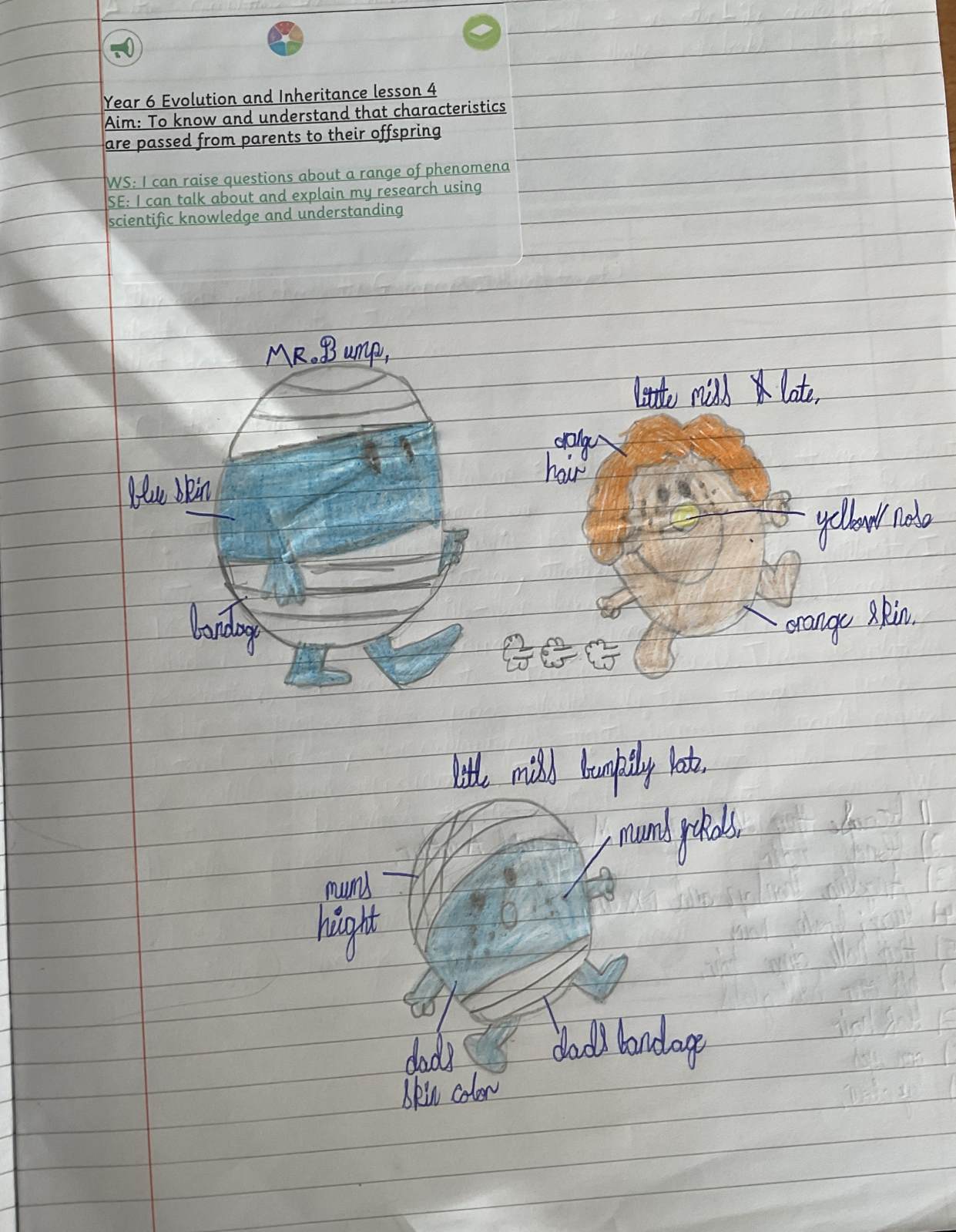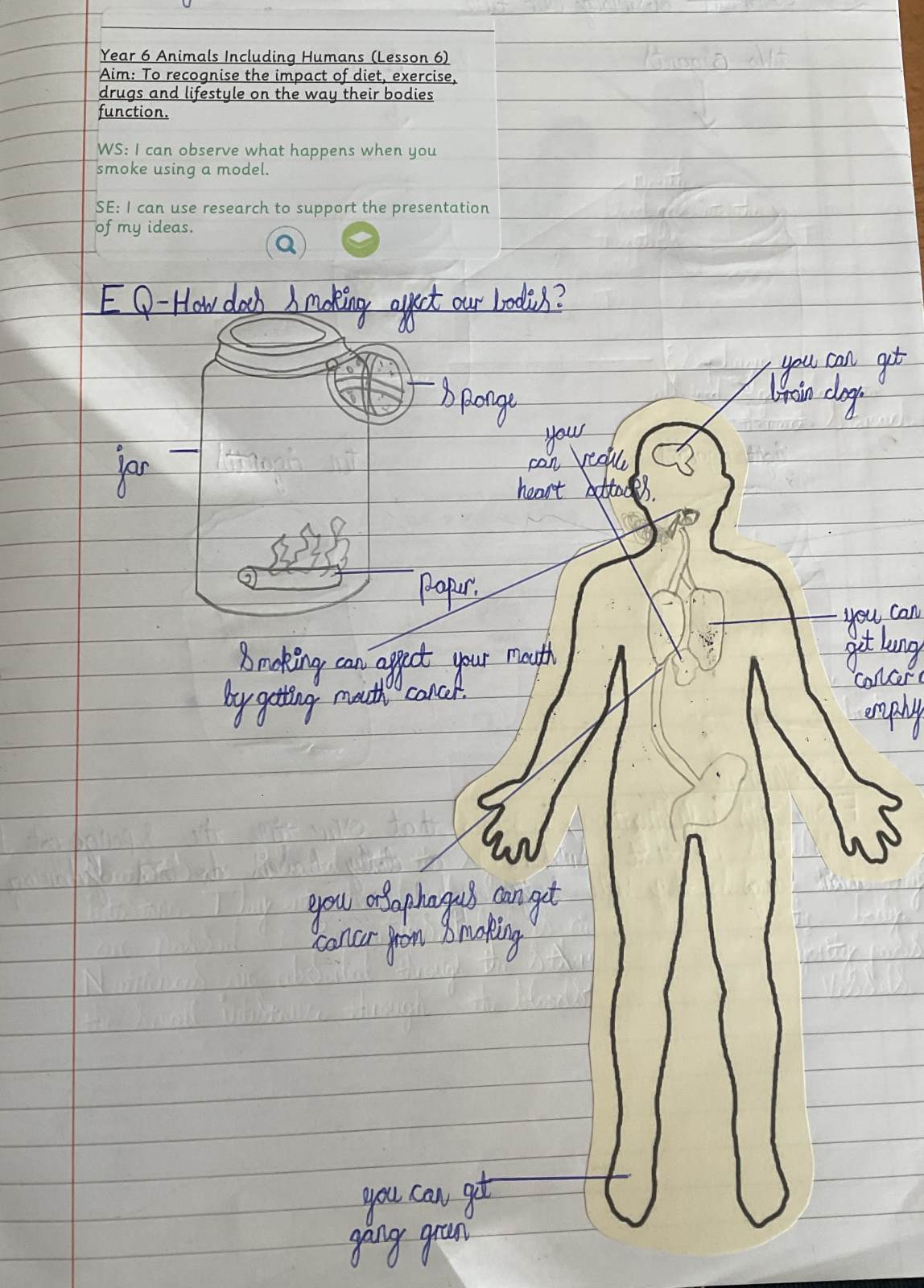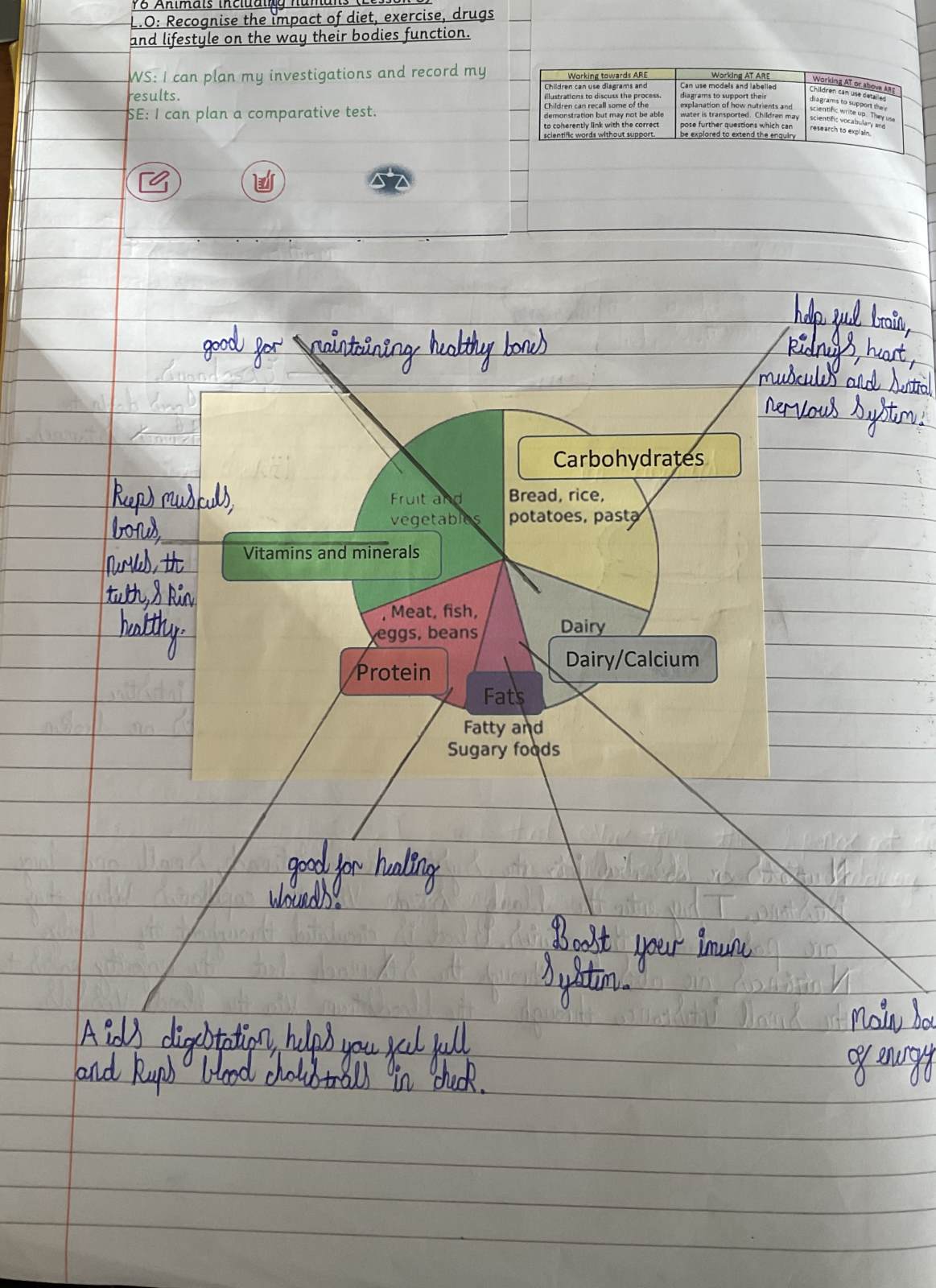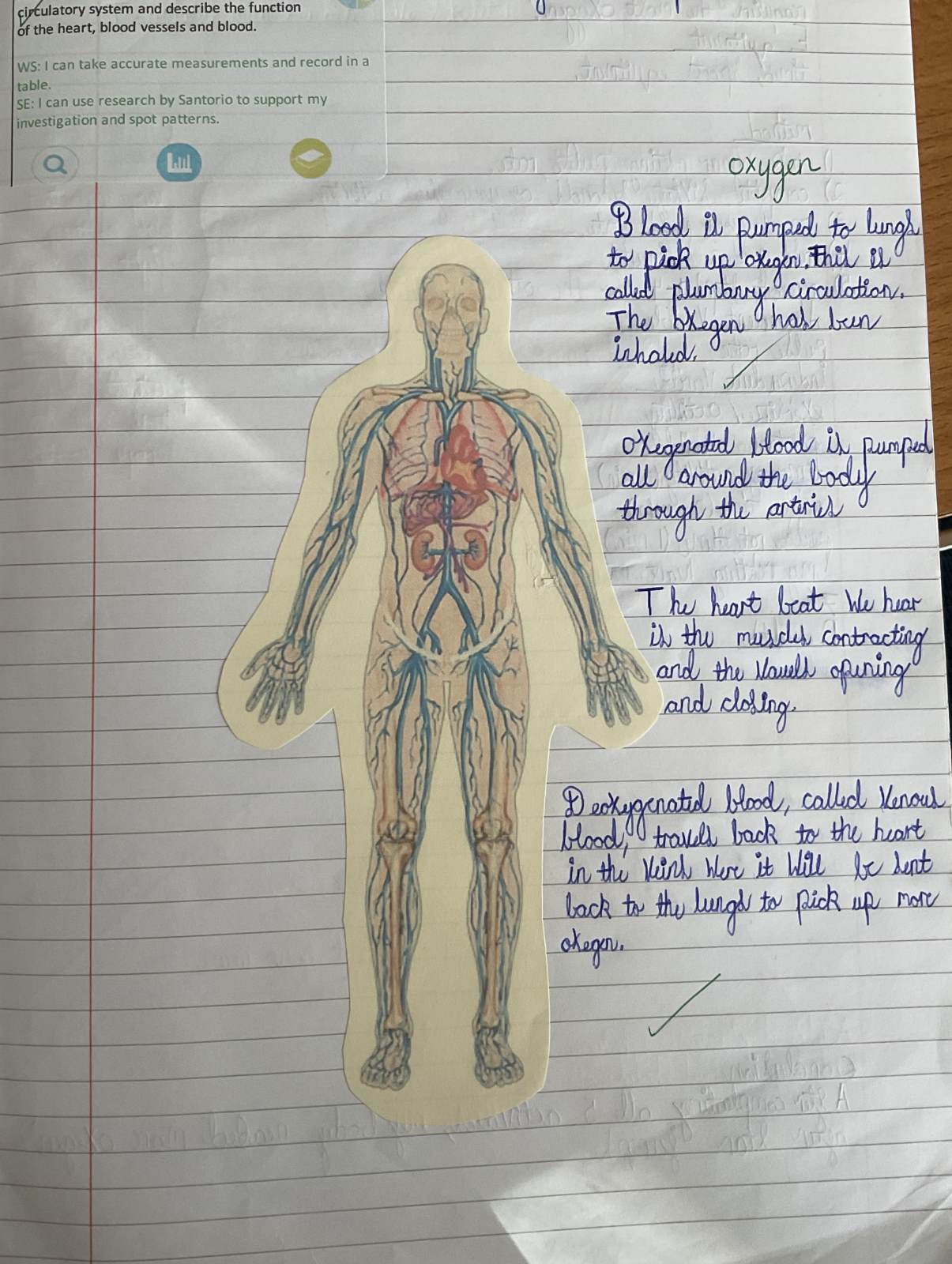
At our school, Science is an exciting and hands-on subject where curiosity leads the way. Children are encouraged to ask questions, explore the world around them, and develop a love of discovery through practical activities, investigations, and experiments.
Throughout primary school, children will study a wide range of engaging topics, including:
-
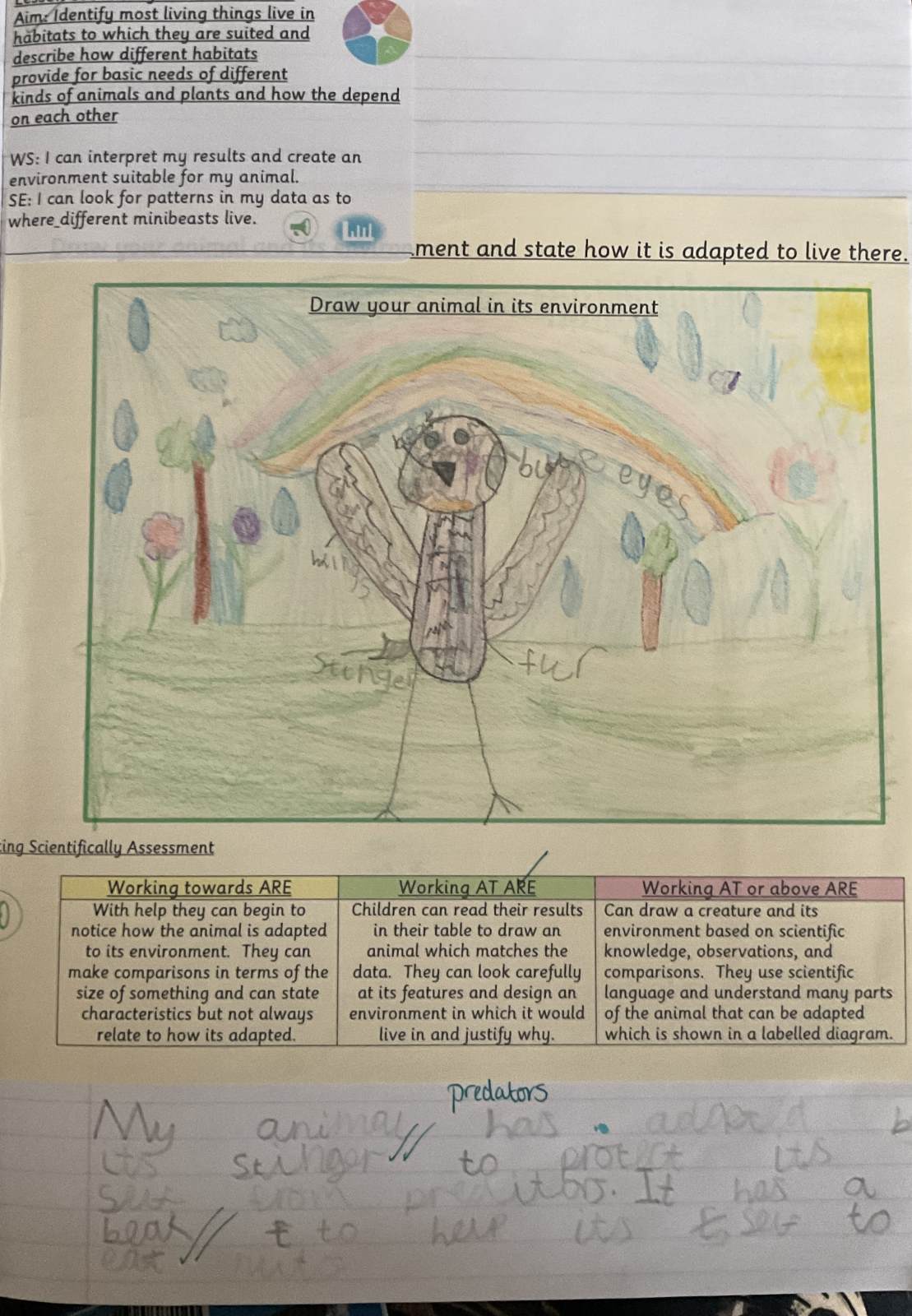
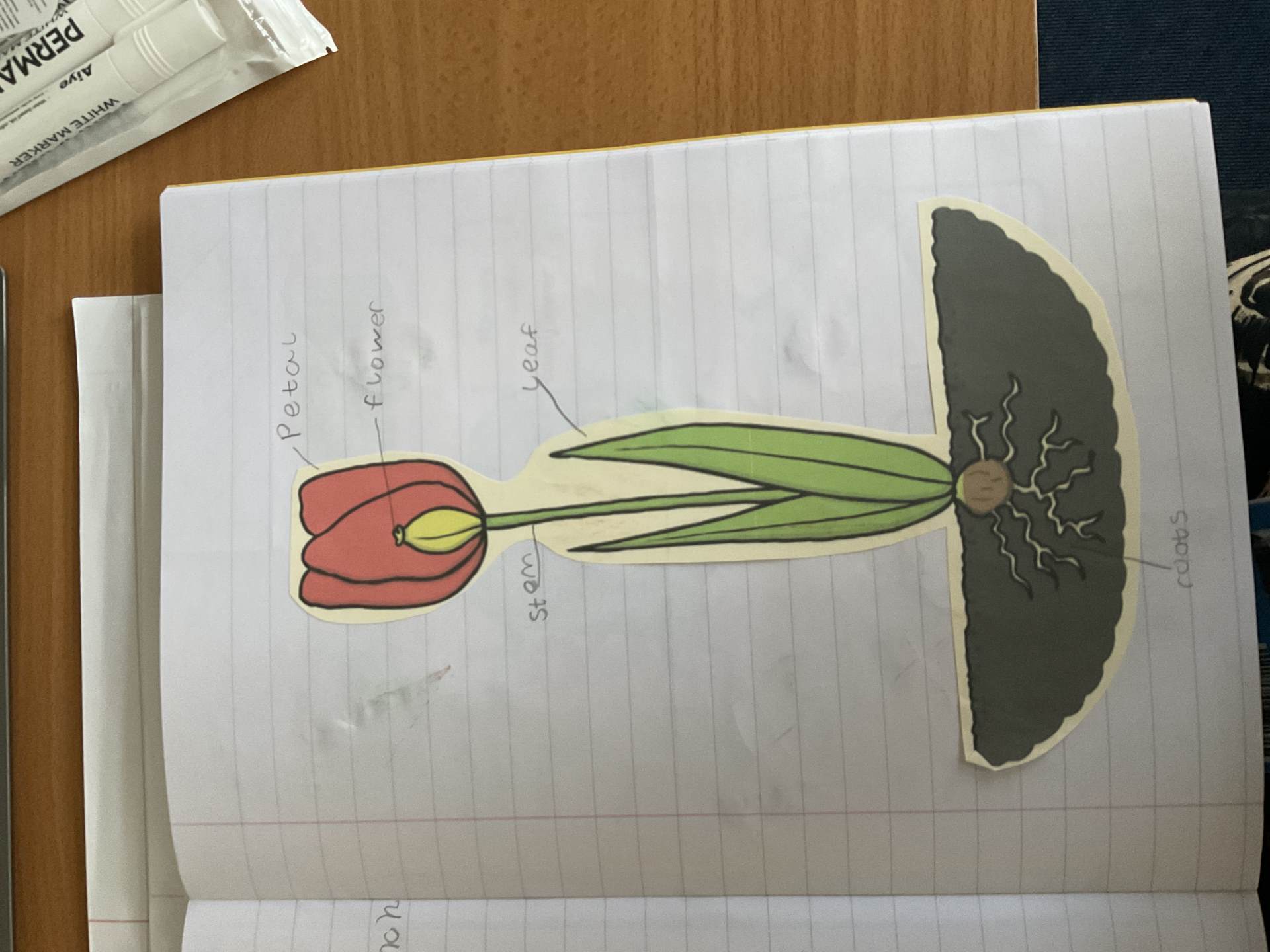
Living Things and Their Habitats – exploring plants, animals, life cycles, and caring for the environment.
-
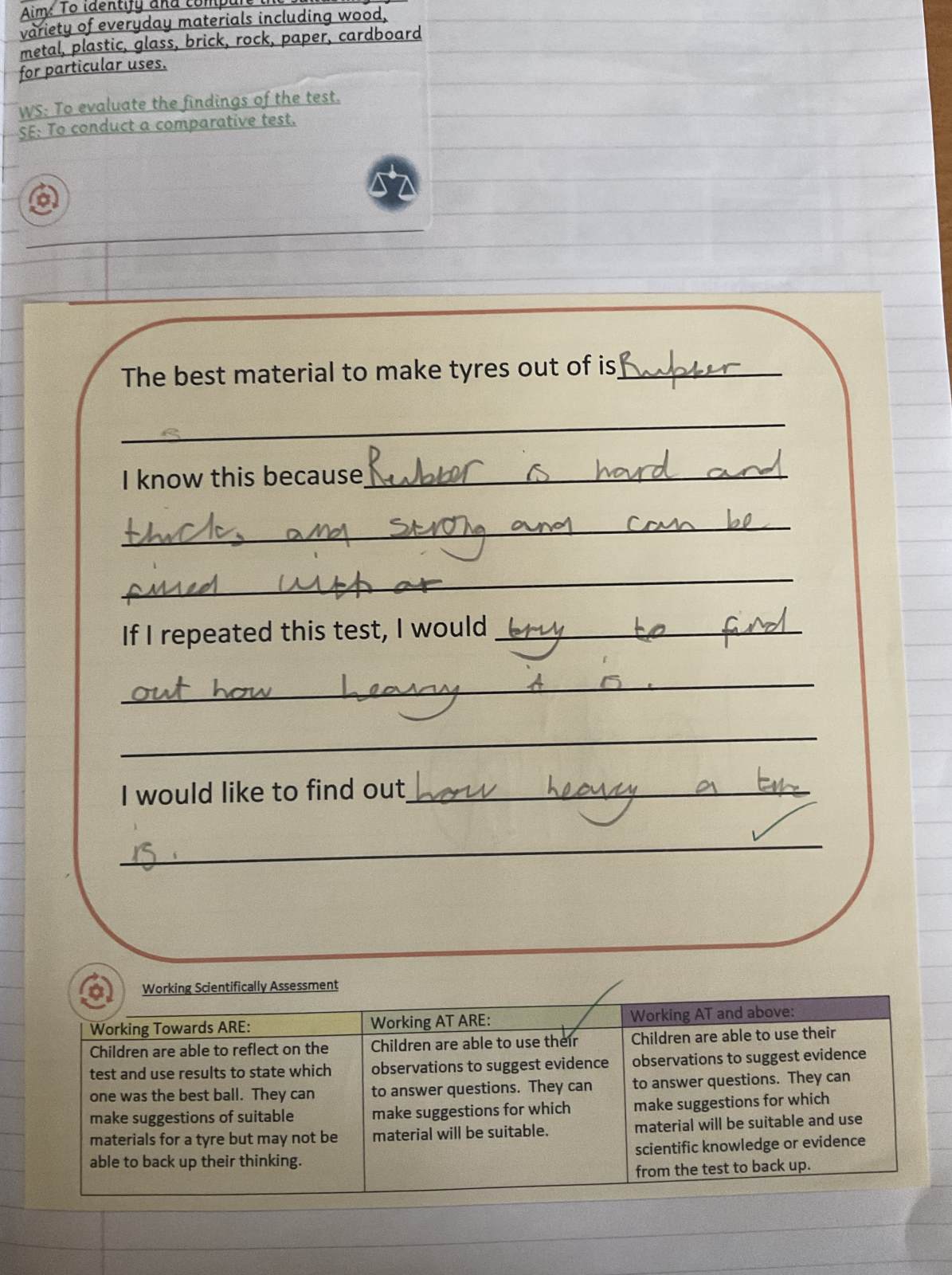
Everyday Materials – investigating their properties, uses, and how they can change.
-
Forces and Magnets – learning how things move, push and pull, and the role of magnetism.
-
Light and Sound – discovering how we see, hear, and how light and sound travel.
-
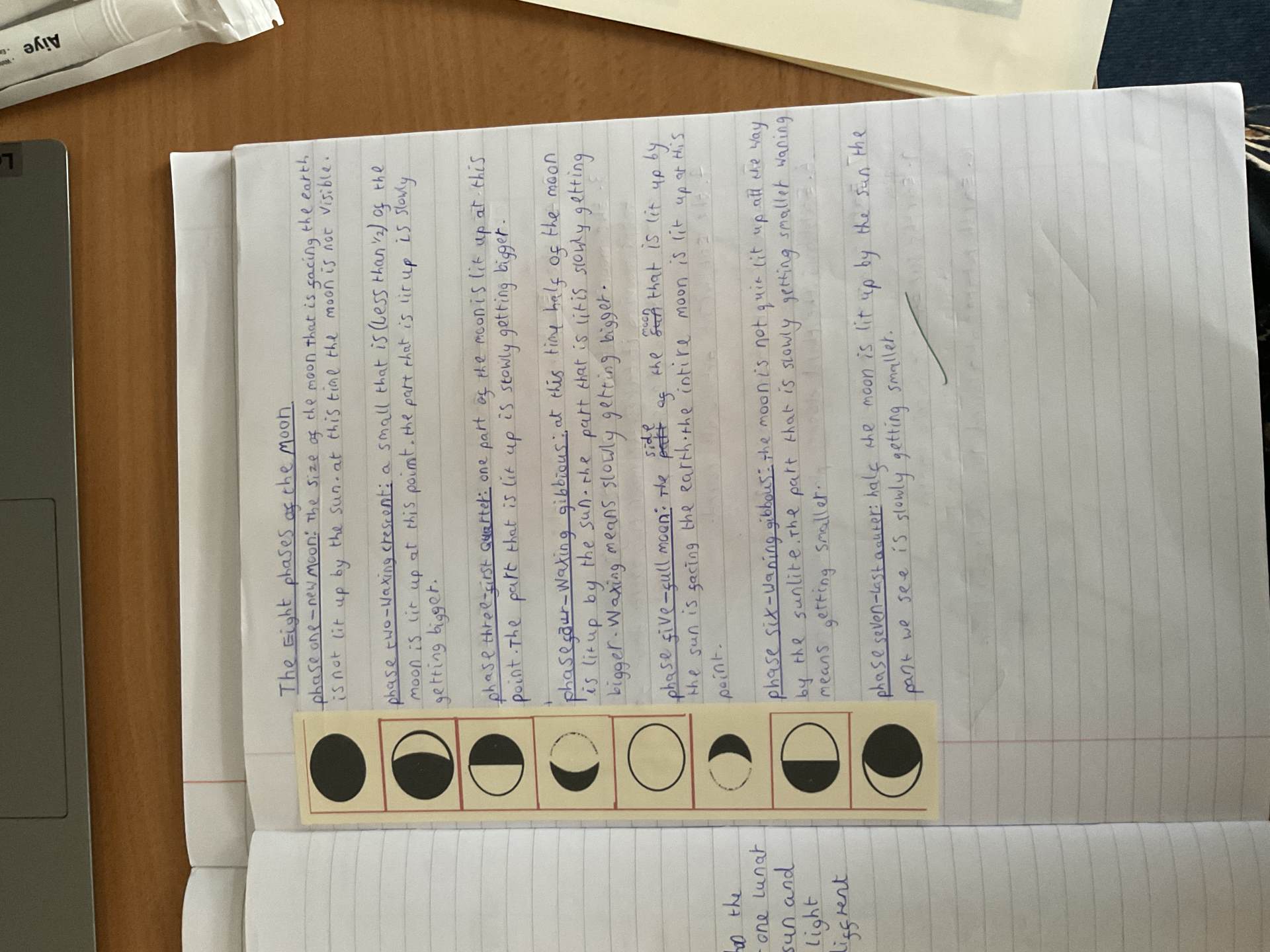
Earth and Space – looking at our planet, the solar system, and beyond.
-
Electricity – building circuits and understanding how electricity is used safely.
-
The Human Body – learning about growth, health, and the importance of nutrition and exercise.
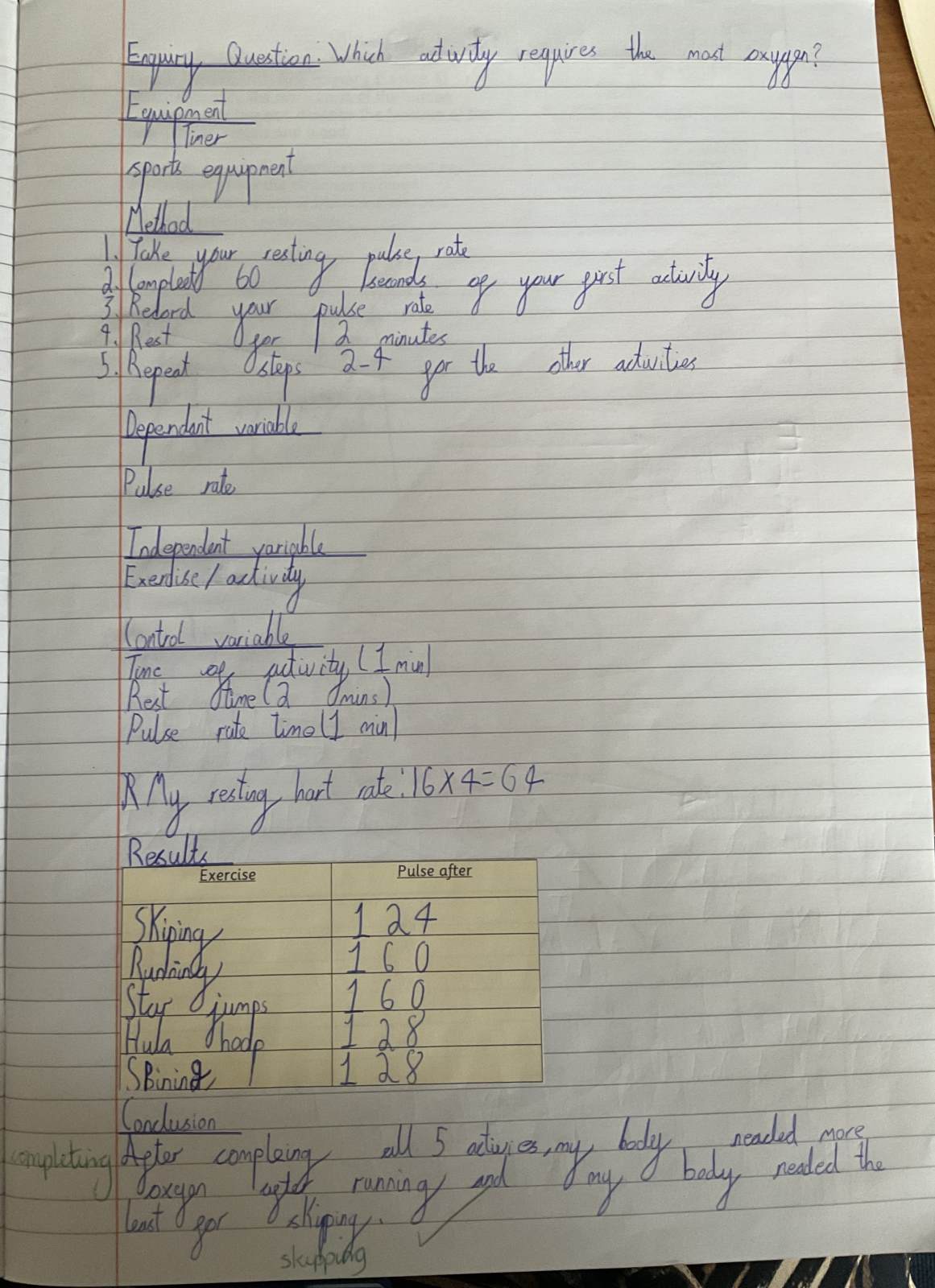
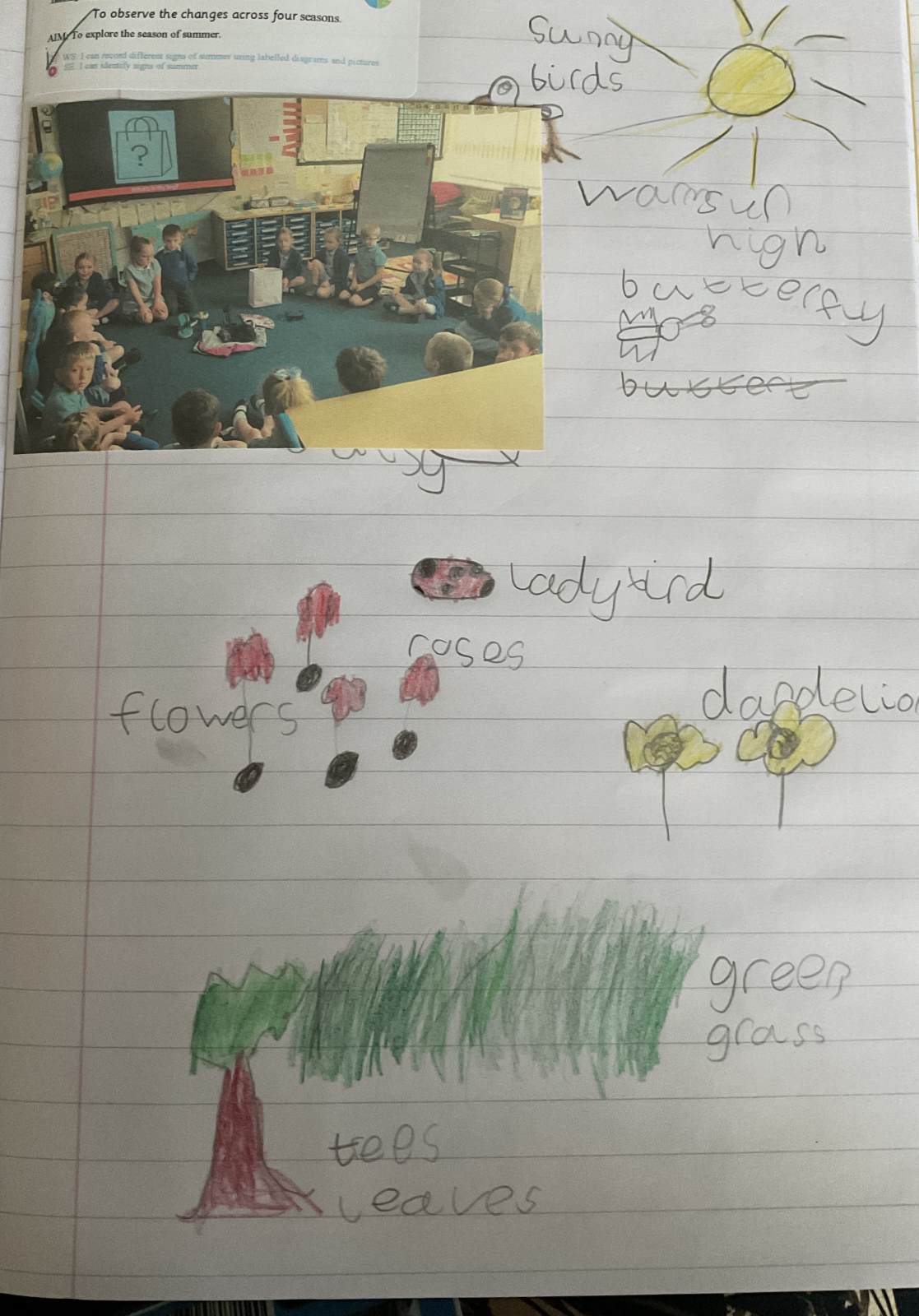
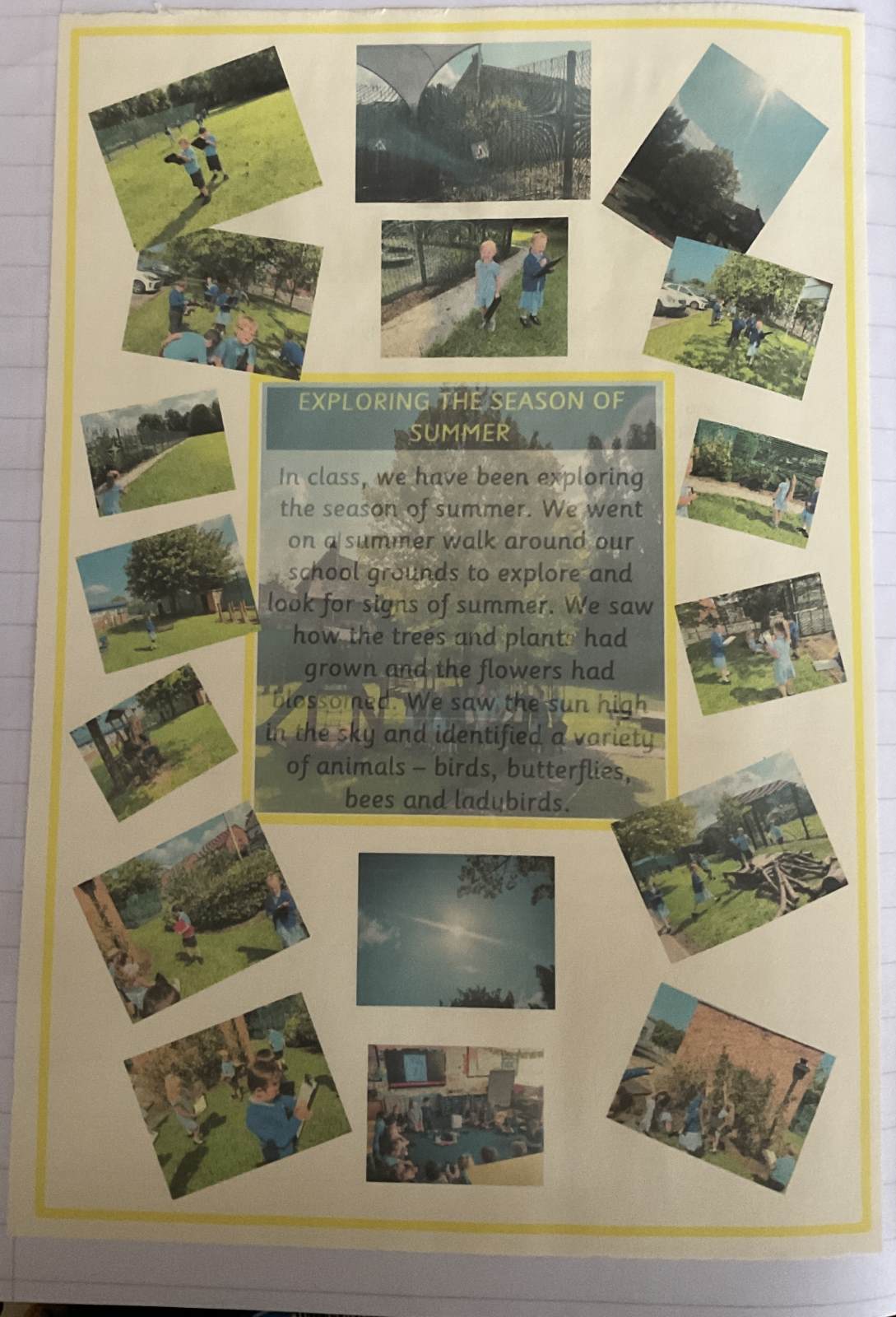
Science lessons are designed to be practical and engaging, giving children opportunities to work scientifically by making predictions, carrying out tests, recording results, and drawing conclusions. We aim to nurture not only knowledge but also key skills such as critical thinking, teamwork, and problem-solving.
By the end of Year 6, children will have built a strong foundation in scientific understanding, ready to continue their journey of discovery in the wider world.
Our Intent
At Our Lady of Walsingham Primary School, we believe science education should inspire curiosity and a love of learning about the natural world. We envision a science curriculum that engages pupils in hands-on exploration, encourages critical thinking and problem-solving skills, and develops a strong understanding of the scientific method. We aim to create a safe and supportive environment where pupils feel confident to take risks, make mistakes, and learn from their experiences.
Our ultimate goal is to empower pupils with the knowledge and skills necessary to become scientifically literate individuals who are equipped to make informed decisions about the world around them. We believe that through a rigorous and engaging science education, our pupils will be well-prepared for the challenges of the 21st century and beyond.
Our Guiding Principles
At Our Lady of Walsingham, we aim to provide a framework for science education that is engaging, relevant, and accessible to all learners. These principles recognise the importance of science as a key subject in the primary curriculum, and highlight the need for learners to develop scientific knowledge, skills, and attitudes that will enable them to understand the world around them. We will encouraging curiosity and exploration; develop scientific literacy, including developing the ability to ask questions, make observations, collect data, and draw conclusions based on evidence; and promoting scientific thinking.